There is a particular quality to the Sienese light in the late afternoon, the way it settles over cypress rows and terracotta rooftops with almost theatrical deliberateness, as though the landscape itself is aware of the impression it makes. It is not a coincidence that companies keep returning to Tuscany for their most important incentive programmes. The region does something to people: it slows them down, opens them up, and makes them receptive and gives them a sense of authentic luxury. Which, incidentally, is precisely what you should be looking for in an incentive programme.
The global incentive travel market was valued at $56.52 billion in 2025, and 55% of senior leadership now classify incentive travel as essential rather than optional. That figure says a great deal about where corporate priorities have shifted. Incentive travel is no longer positioned as an extravagance tacked onto a good financial year. It is, increasingly, understood as infrastructure. Corporate incentive travel generates an average ROI of 4:1, proving it has upgraded from lavish perk to strategic investment in employee performance and retention.
Against that backdrop, the Tuscany incentive trip described here was, by design, a statement about what the company believed its people deserved. 
Corporate ambition meets Italian elegance
A leading American multinational accounting firm approached us with a clear mandate: organise an incentive trip for 200 Danish employees that would boost productivity, deepen professional relationships, and put a sustained spotlight on the craftsmanship and quality intrinsic to all things Made in Italy. Four days. Two hundred people. One spectacular destination. The chosen venue, a five-star resort built around a medieval village in the heart of the Siena countryside, set the tone immediately. Seventy-two luxurious rooms, a golf course, and a terrace overlooking the nearby town provided a genuine sense of place and, dare we say it, of belonging. A destination management company with deep local knowledge can curate experiences that capture the authentic essence of a region, handling the intricate logistics of transportation, accommodation, and activities with the expertise that large-scale corporate incentive travel demands. Every element of the programme was built on that principle.
A programme that balanced work and genuine play
The itinerary was considered, intentional, and constructed with an eye for how different experiences complement one another across four consecutive days without ever tipping into either exhaustion or passivity. Team-building activities ran throughout, blending sports-inspired challenges with more unexpected creative formats. The drum circle team building session deserves particular mention: visceral, joyful, and surprisingly effective at dissolving professional hierarchies. It is the sort of activity that earns a sceptical smile before it starts and genuine enthusiasm twenty minutes in. Choosing locations and activities that offer experiences a group has never encountered before adds a layer of shared camaraderie that more conventional formats struggle to generate. Evenings were themed celebrations of Italian culture, each one distinct in character. Bespoke corners came to life featuring photobooths set against Italian identity classics: a red Vespa, baskets overflowing with local produce, and branded details that anchored the Made in Italy concept without reducing it to a slogan. Themed buffet stations showcased regional specialities from across Italy, with live cooking demonstrations turning every dinner into something closer to a performance than a meal. 
The texture of Italian living
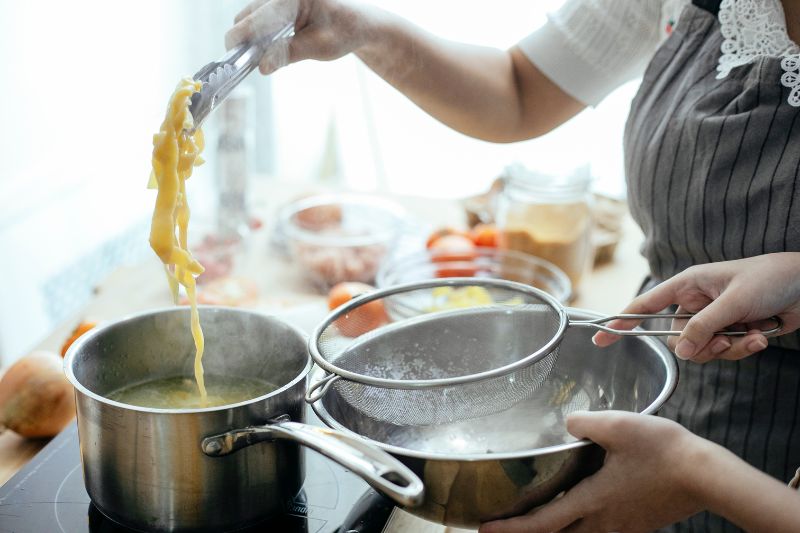
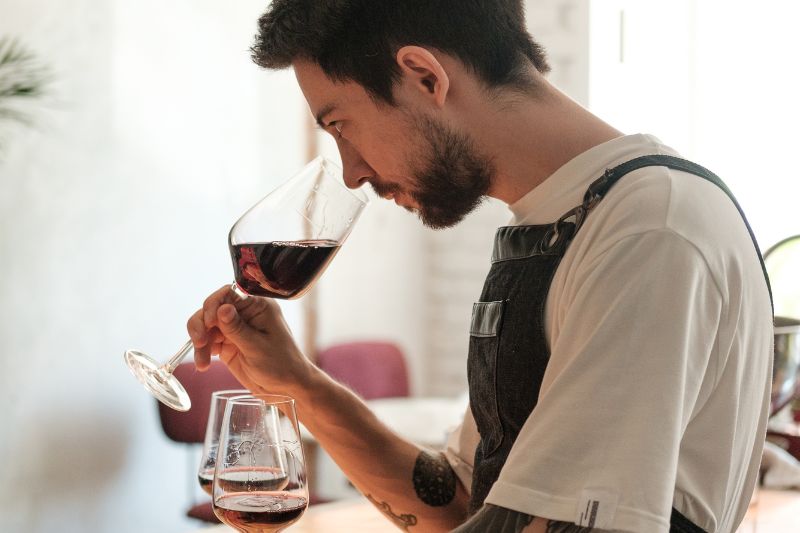
What elevates a corporate incentive trip from pleasant to genuinely memorable is the accumulation of sensory detail, the things participants find themselves describing weeks later to colleagues who weren't there. Tuscan culinary workshops brought that quality in abundance. A cooking class set within a Tuscan villa is among the most consistently praised team activities in Italy the region offers, and it is easy to understand why: food is a universal language, and learning to prepare it together dissolves professional distance with remarkable efficiency. Wine tours and tastings through the Sienese countryside carried that spirit further. Indulging in a wine-tasting tour amidst the vineyards, or relishing a Tuscan feast under the open sky, gives a group something that no ballroom dinner can approximate: a shared experience rooted in a specific place and moment. Yoga sessions offered a quieter counterbalance to the more energetic activities, allowing participants to absorb the landscape rather than simply move through it. A friendly football match at a nearby sports centre added uncomplicated competitive energy, the kind that reminds colleagues they are also, at some level, just people who enjoy running about. Music and dance threaded Italian culture through the entire four days, present not as a finale but as a continuous, ambient current.
What made this project exceptional
Logistics at this scale are, to put it plainly, unforgiving. Two hundred guests, multiple simultaneous activity streams, nightly themed events, dietary requirements, transport coordination across a rural Sienese landscape, and the expectation that none of this complexity would ever become visible to the participants. It leaves no margin for improvisation. Research shows companies with effective recognition programmes see 31% lower turnover rates, and the Incentive Travel Index reports that 58% of senior managers say travel rewards improve both motivation and culture. Numbers like these represent real pressure on the planning side: the programme has to deliver, because the expectations attached to it are high and the audience is perceptive. Meticulous preparation ensured a seamless experience that exceeded those expectations and left a genuinely indelible impression on every participant.
Beyond straightforward ROI, organisations are increasingly measuring return on engagement: how a programme influences behaviour, morale, and collaborative instinct over time, long after the participants have returned to their desks. By that measure, this Tuscany incentive trip was built to perform. The Made in Italy thread ran from the welcome moment to the final evening, felt through food, craft, music, landscape, and the particular warmth with which this region receives its guests.
When the hills of Siena become part of a team's story
There is something about Tuscany that outlasts the trip itself. Long after the flights home, the drum circle, the wine tasting, the Vespa photobooth, these things surface in office conversations, in the small shared references that signal common memory. That is what a well-designed incentive travel programme ultimately produces: not a collection of photographs, but a chapter in a team's shared story. For these 200 Danish professionals, the Sienese countryside wrote that chapter rather beautifully.