Italy hosts some of the world's most influential trade shows, drawing hundreds of thousands of professionals to Milan, Verona, and beyond every year. From design and food to fashion and visual communication, the 2026 calendar offers exceptional opportunities for brands looking to connect with buyers, build partnerships, and raise their profile in the European market.
Italy is a country that does things loudly and well. Its trade show calendar is among the most formidable in the world, a dense, varied roster of events spanning design, food, wine, fashion, and technology, staged across Milan, Verona, and beyond. For international brands, procurement teams, and independent operators alike, the real question is which exhibitions to prioritise, and how to extract genuine value from the experience.
Design and interiors: the Salone del Mobile.Milano
Few trade fairs carry the cultural weight of the Salone del Mobile.Milano (21–26 April, Milan). Running since 1961, it has long since transcended its origins as a furniture fair to become a global design event of the first order. This year's edition again features Euroluce, the prestigious international lighting biennial, alongside EuroCucina, the kitchen design showcase that draws architects and specifiers in considerable numbers. Over 300,000 professionals attend across the six days.
For brands in the interiors, materials, or contract furnishing space, there is simply no better setting for launching a new collection or repositioning a product line. The quality of buyer attention is exceptional. Stand space comes at a premium, and the surrounding Fuorisalone — the city-wide fringe programme across Milan's design districts — demands its own planning and budget. Brands that integrate both tend to leave with far stronger results.
Food, wine, and the appetite for connection
Italy's appetite for agri-food exhibitions is, appropriately, enormous. TUTTOFOOD Milano (11–14 May) is the standout B2B trade show in this space: a tightly focused gathering connecting food and beverage producers directly with retailers, distributors, and food service operators. It runs every two years and has earned a reputation for serious commercial intent rather than spectacle. For any brand operating along the food supply chain, the business case for attending is straightforward and compelling.
Vinitaly (12–15 April, Verona) is something else entirely. The world's premier international wine and spirits exhibition, it attracts buyers from more than 140 countries and has spent decades cementing Verona's reputation as the spiritual home of Italian viticulture. The 2026 edition continues to expand its spirits programming, with craft distillates and contemporary aperitivo culture claiming growing exhibition space alongside the traditional wine categories. Brands with a strong Italian provenance story will find an exceptionally receptive audience here.
Fashion, leather goods, and visual communication
Lineapelle (23–25 September, Milan) occupies a niche that is nonetheless pivotal to the global luxury supply chain. As the leading international exhibition for leather, accessories, and components for fashion, it connects tanneries, accessory producers, and material innovators with designers and brands whose names appear in every luxury department store on earth. The atmosphere is refined, the editorial standards are high, and the conversations that begin here tend to matter. For any business operating in premium fashion materials, attendance is a clear strategic priority.
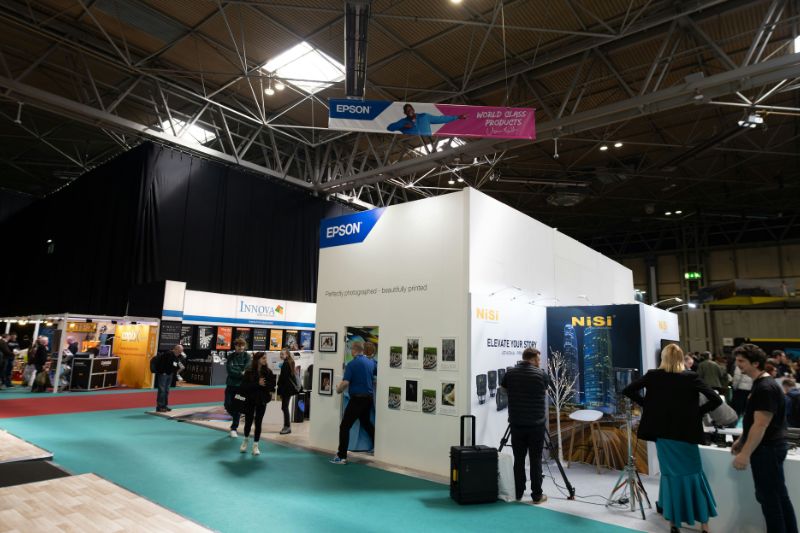
Later in the year, Viscom Italia (28–29 October, Fiera Milano) shifts the focus to visual communication and digital printing — a considerably more technical audience, though equally motivated commercially. As retail environments and experiential marketing continue to evolve, this is where the enabling technology is showcased and sold. Worth a close look for agencies, brand consultancies, and production companies keeping pace with the sector.
Making the most of your presence at Italian trade shows
Attending a trade fair in Italy is one thing. Attending it well is another matter. The most consistently successful exhibitors approach these events with a clarity of purpose that goes beyond stand design and product placement. Pre-show outreach to key contacts, scheduled meetings and conventions rather than reliance on footfall, and a follow-up protocol established before you even board the plane — these are the disciplines that separate brands that leave with leads from those that leave with catalogues.
Logistically, Italy rewards early planning. Hotel availability around the Salone del Mobile in particular becomes genuinely competitive months in advance, and transport between venues in Milan during peak fair periods requires preparation. Beyond the practical, there is something to be said for investing time in the surrounding cultural context: client dinners, visits to local ateliers, an evening at a Milanese gallery. Italy's trade fairs are embedded in a broader culture of craftsmanship and conviviality, and the relationships built in those informal margins are often the ones that endure.
The 2026 calendar is rich. The opportunity is real. The only remaining question is where, precisely, your brand belongs in it.